

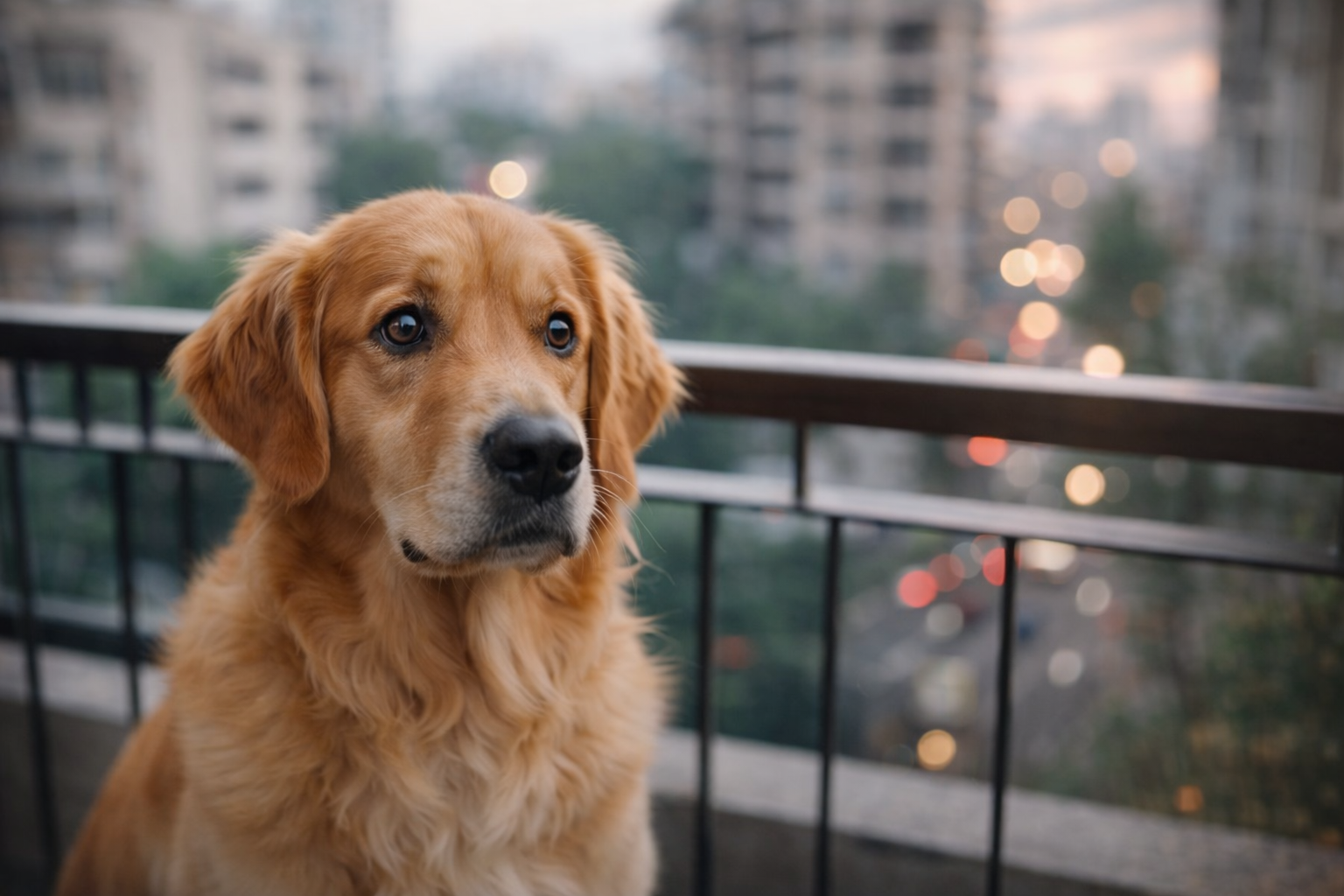
Understanding Urban Stress in Modern Pet Life
Over the last decade, pet parenting in India has grown rapidly, especially in urban cities like Ahmedabad, Mumbai, Delhi, and Bangalore. Dogs have moved from open homes and backyards into apartments, high-rises, and fast-paced city lifestyles.
While this shift has improved companionship, it has also introduced a silent challenge.
Urban dogs today are more anxious than ever before.
And this is not just observation. It is backed by behavioural research, environmental studies, and veterinary insights.
Understanding why city dogs experience higher anxiety is the first step toward improving their emotional well-being.
1. Urban Living Environments Increase Fear Responses
Scientific studies show a clear link between city living and anxiety in dogs.
Research has found that dogs raised in urban environments show higher levels of social fearfulness compared to those in rural settings.
This fear can appear as:
- Nervousness around strangers
- Fear of other dogs
- Startle responses to sudden movement
- Hesitation in unfamiliar spaces
Urban dogs often face overstimulation without gradual exposure, which affects emotional development.
2. Noise Pollution Is a Major Anxiety Trigger
Dogs have far more sensitive hearing than humans. Continuous exposure to loud soundscapes can trigger chronic stress and anxiety.
Indian cities are loud by default. Traffic, horns, construction, fireworks, crowds, and sirens create constant background noise.
In fact, noise sensitivity is considered one of the most common behavioural issues in pet dogs.
Common reactions include:
- Excessive barking
- Trembling
- Hiding
- Restlessness
- Panic during fireworks or storms
For many city dogs, silence is rare, and that constant stimulation keeps their nervous system on high alert.
3. Limited Space and Reduced Physical Activity
Apartment living has restricted the natural movement dogs once had.
Lack of open spaces leads to:
- Pent-up energy
- Frustration
- Destructive behaviour
- Hyperactivity
Behavioural studies link inactivity and limited stimulation with increased fearfulness and stress behaviours in dogs.
Dogs are biologically wired for movement, exploration, and sensory engagement. When these needs are unmet, anxiety builds internally.
4. Inadequate Early Socialisation
Urban puppies often grow up in controlled indoor environments.
They may not be exposed early to:
- Other dogs
- Strangers
- Street sounds
- Outdoor environments
Research shows that poor socialisation during puppyhood is strongly associated with fear-related behavioural problems later in life.
This is why many city dogs grow up reactive, fearful, or overstimulated in public spaces.
5. Environmental Overstimulation
Cities bombard dogs with sensory input.
Crowds, elevators, vehicles, unfamiliar dogs, and confined walking paths create unpredictable stimuli.
Reactive dogs in urban environments often experience heightened stress due to constant triggers and lack of decompression spaces.
Unlike rural settings, where exposure is gradual, city exposure is intense and unavoidable.
6. Air Pollution and Physical Stress
Air quality also plays a role in canine stress and health.
Urban pollution can affect dogs’ respiratory systems, causing inflammation and breathing discomfort.
Physical discomfort often translates into:
- Irritability
- Low activity
- Restlessness
- Behavioural sensitivity
When the body is stressed, emotional resilience reduces.
7. Irregular Routines and Separation Anxiety
Modern urban lifestyles involve long work hours, commutes, and unpredictable schedules.
Many dogs are left alone for extended periods.
Experts note that lack of routine, reduced activity, and sudden household changes can increase pet anxiety, including separation anxiety.
Post-pandemic lifestyle shifts especially intensified this issue as pets struggled to adjust to owners returning to work.
8. Human Stress Transfers to Dogs
Dogs are emotionally perceptive animals.
They absorb human energy, tone, and stress levels.
Urban living often involves:
- Fast schedules
- Work pressure
- Limited downtime
- Digital distractions
When humans are anxious, dogs mirror that emotional environment, leading to heightened alertness and insecurity.
9. Reduced Natural Stimulation
Rural and semi-urban dogs experience:
- Soil
- Natural scents
- Open walking paths
- Animal interaction
City dogs mostly experience:
- Concrete
- Elevators
- Leashed walks
- Limited exploration
This sensory deprivation reduces mental enrichment, which contributes to anxiety and restlessness over time.
Signs Your City Dog May Be Experiencing Anxiety
Watch for:
- Excessive barking
- Destructive chewing
- Paw licking
- Hiding
- Startle responses
- Separation distress
- Hyperactivity indoors
These are behavioural expressions of emotional overload, not disobedience.
The Bigger Picture
Urbanisation has changed pet life faster than dogs have adapted to it.
We have brought dogs into human environments that are loud, fast, crowded, and restrictive, environments that were never designed for canine nervous systems.
As one expert insight puts it, we are asking dogs to live in a world that is not built for them.
Final Thought
Indian city dogs are not becoming difficult. They are becoming overwhelmed.
Noise, confinement, pollution, isolation, and overstimulation are reshaping canine emotional health.
Understanding this shift helps pet parents move from correction to compassion.
Because when we recognise the pressures urban dogs live under, we do not just manage behaviour.
We improve their quality of life.