

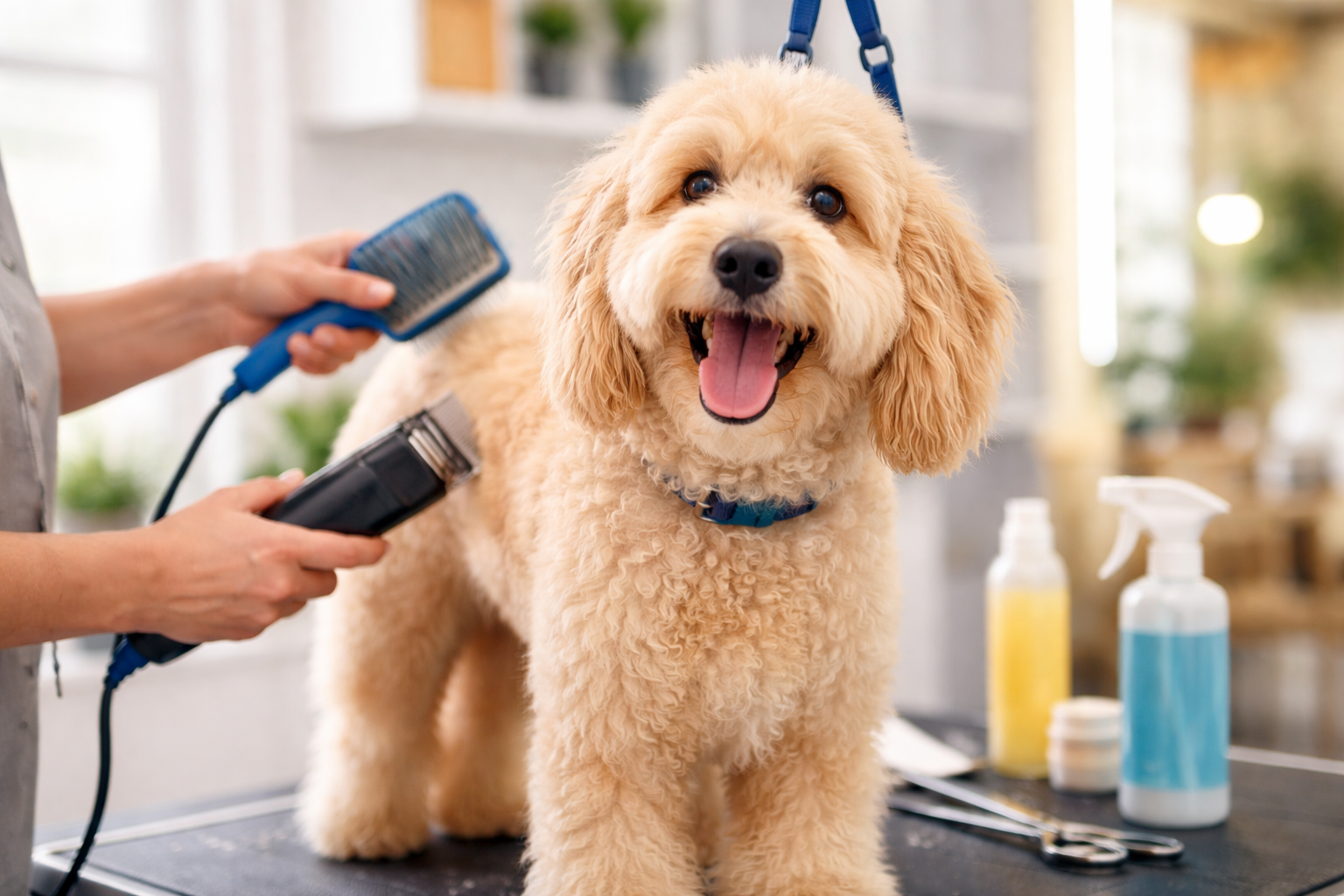
The Emotional Side of Pet Care Every Indian Pet Parent Should Understand
Many pet parents see dog grooming as a routine task, something that keeps their dog clean, neat, and presentable. But grooming goes far beyond appearance. It plays a powerful role in shaping a dog’s emotional state, confidence, and overall behaviour.
In Indian cities like Ahmedabad, where dogs live in apartments, experience traffic noise, and spend long hours indoors, grooming has quietly become an emotional wellness tool, not just a hygiene requirement.
Understanding the emotional impact of pet grooming can completely change the way you care for your dog.
Grooming Is a Sensory Experience for Dogs
Dogs experience the world through touch, smell, sound, and routine. A grooming session engages all these senses at once.
The warmth of water, the pressure of brushing, the vibration of clippers, the sound of dryers, and even the groomer’s energy directly influence how a dog feels.
When done gently, grooming creates a calming effect similar to how humans feel after a spa or self-care routine. When done in a rushed or forceful way, it can increase fear, stress, and grooming anxiety in dogs.
This is why dog behaviour after grooming varies. Some dogs appear relaxed and affectionate, while others seem withdrawn. The experience defines the emotional outcome.
How Grooming Positively Affects a Dog’s Mood
1. Physical Comfort Leads to Emotional Calm
Matted fur, overgrown nails, dirty ears, and itchy skin create constant discomfort. Dogs may not express it loudly, but irritation builds over time.
Professional dog grooming removes these stressors. Once the body feels clean and light, dogs naturally relax. Many pet parents notice better sleep, calmer behaviour, and increased playfulness after grooming.
2. Touch Builds Trust and Security
Gentle handling during grooming builds emotional trust. When groomers understand canine body language and respect boundaries, dogs learn that touch is safe.
This is especially powerful for anxious or rescued dogs. Regular positive grooming sessions can reduce fear-based behaviour and improve confidence.
3. Healthy Skin Improves Emotional Well-being
Skin infections, trapped moisture, and excessive shedding can silently affect a dog’s mood. Constant itching often leads to licking, chewing, aggression, or withdrawal.
Regular pet grooming supports skin health, improves airflow, and prevents infections. A comfortable dog is naturally a happier dog.
When Grooming Can Negatively Affect Mood
Not every grooming experience is positive.
Loud environments, rushed sessions, rough handling, or lack of patience can overwhelm dogs. Sensitive breeds, senior dogs, and anxious pets are especially vulnerable to grooming stress.
This is why choosing the right grooming environment matters as much as the grooming itself.
The Rise of Stress-Free Grooming in Indian Cities
Urban pet parenting in India is evolving. Today, grooming is seen as part of emotional wellness, not just hygiene care.
Services like mobile dog grooming and doorstep pet grooming are becoming popular in cities like Ahmedabad. These setups allow dogs to be groomed in a quiet, temperature-controlled environment without travel stress.
For dogs that fear car rides, crowds, or unfamiliar spaces, this makes a visible difference in mood and behaviour.
A calm environment helps dogs associate grooming with comfort instead of fear.
Signs Grooming Is Helping Your Dog Emotionally
After a positive grooming session, dogs often show:
- Relaxed body language
- Better sleep
- Increased affection
- Reduced scratching or licking
- Improved confidence during walks
- Calmer interaction with people and pets
These signs show that grooming is supporting emotional balance along with hygiene.
Grooming as Preventive Emotional Care
Just like regular exercise and routine feeding, grooming creates predictability. Dogs thrive on routine. When grooming happens consistently and gently, it becomes a source of emotional stability.
This is especially important for dogs living in busy households or urban environments, where routines can otherwise feel unpredictable.
The Bigger Picture of Pet Wellness
True pet care is preventive, not reactive. Grooming, when done thoughtfully, becomes part of a complete wellness system that supports physical health, emotional security, and behavioural balance.
Professional grooming environments that prioritise calm handling, hygiene, and empathy help dogs feel understood, not controlled.
Final Thought
Yes, grooming affects a dog’s mood.
More importantly, the way grooming is done shapes how dogs feel about their environment and the humans they trust.
In today’s fast-moving urban life, grooming is no longer just maintenance. It is emotional care.
And when dogs feel comfortable in their own skin, they do not just look better, they live better.
FAQs
1. Does grooming affect a dog’s mood?
Yes, grooming directly affects a dog’s mood. Regular dog grooming improves comfort, reduces anxiety, and supports emotional well-being by removing physical irritants like matted fur and long nails.
2. Why is my dog so happy after grooming?
Dog behavior after grooming often includes zoomies, playfulness, and affection. This happens because dogs feel lighter, cleaner, and relieved from itching or discomfort.
3. How often should dogs be groomed?
A regular dog grooming routine depends on breed and coat type, but most dogs benefit from grooming every 3 to 6 weeks to maintain hygiene and emotional comfort.
4. Can grooming reduce anxiety in dogs?
Yes. Gentle, professional dog grooming can reduce grooming anxiety in dogs by building trust, improving touch tolerance, and creating positive handling experiences.
5. Is professional dog grooming better than home grooming?
Professional dog grooming provides trained handling, proper tools, and stress-free grooming techniques that improve both hygiene and emotional wellness.